
Should You Repair or Replace Your Septic Tank?
Septic tank issues can cause significant stress for homeowners, leading to the critical decision: should you repair or replace the system? This article explores all aspects of this dilemma to help you make an informed choice. Proper maintenance and timely intervention can extend the life of your septic system, but sometimes septic tank repairs or replacements become inevitable. Understanding these options in depth will assist you in making a decision that aligns with your needs and those of your household. Through careful evaluation of the factors involved, you'll be better prepared to manage the health and efficiency of your septic system.
The Role of a Septic Tank in Your Home
A septic tank is an integral part of your home's waste management system. It is responsible for treating and disposing of household waste, ensuring that it does not contaminate water sources. Wastewater from your home flows into the septic tank, where solids settle at the bottom and are broken down by bacteria. The remaining liquid, or effluent, moves through a series of baffles and filters before entering the drainage field. This process ensures that the water reintroduced into the environment is clean and safe.
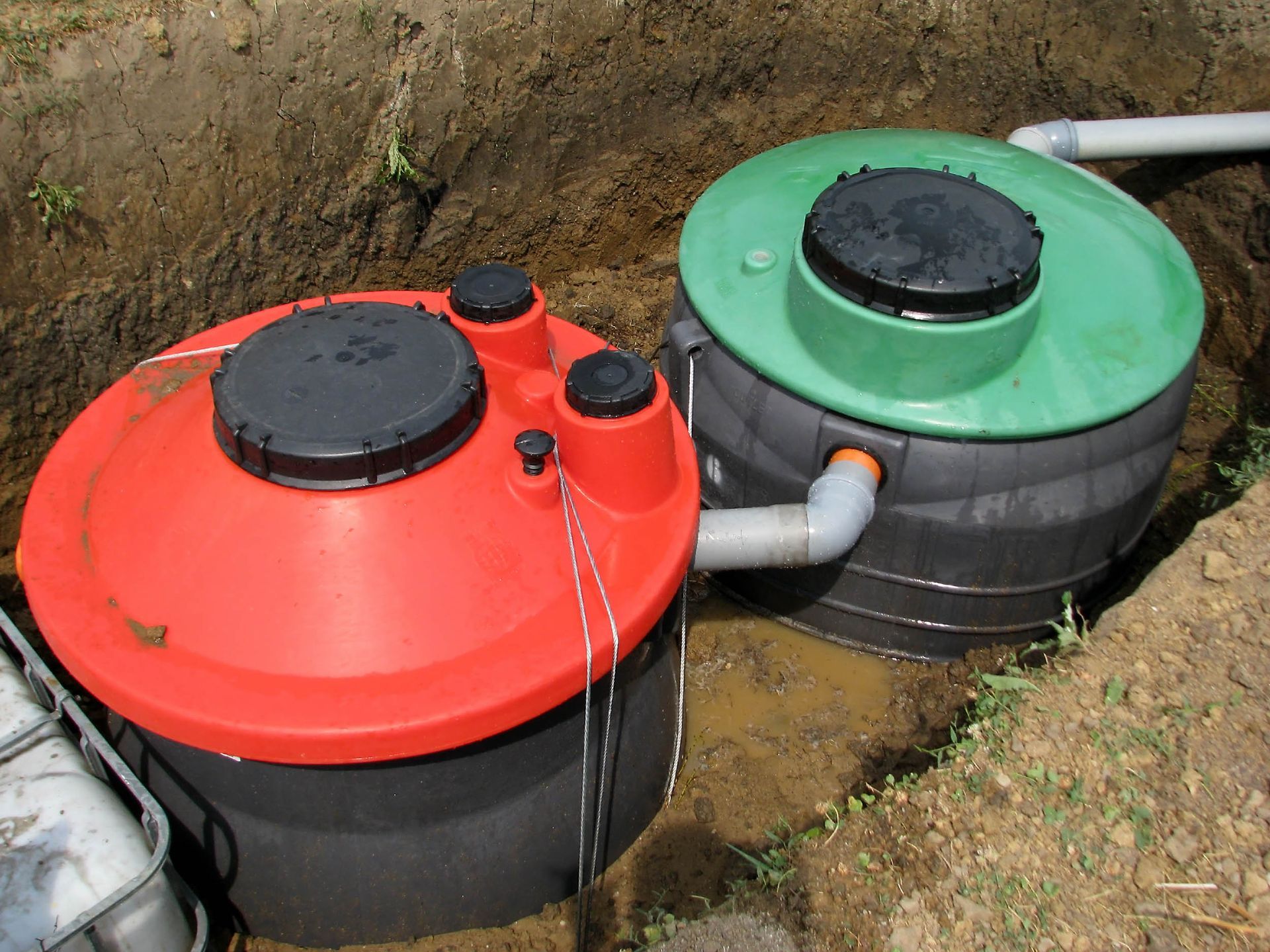
The septic system operates largely underground, minimizing interference with your daily activities. A typical system consists of the tank itself, a drainage field, and, in some cases, additional treatment components. These elements work together to manage the waste effectively without relying on a municipal sewer system. Homeowners must understand the importance of each component and how they function together to maintain the system's integrity. Failure in any part of this system can lead to significant damage and financial costs.
Septic tanks are designed to be robust, but they are not invulnerable. They rely on a delicate balance of biological and physical processes to function correctly. Disruptions due to improper usage or lack of maintenance can impair their efficiency. Homeowners must remain vigilant and proactive in caring for their systems to avoid disruptions. Understanding how your septic system works is the first step in achieving this goal.
Signs Your Septic Tank Needs Attention
There are several warning signs that your septic tank may be in trouble. One of the most common indicators is plumbing backed up into the home, often resulting from tank overflows or clogs. Other signs include slow-draining sinks, showers, and toilets that fail to flush properly. You may also notice foul odors emanating from inside or outside your home, which suggests septic system problems. Paying attention to these signals can prevent more extensive issues from developing.
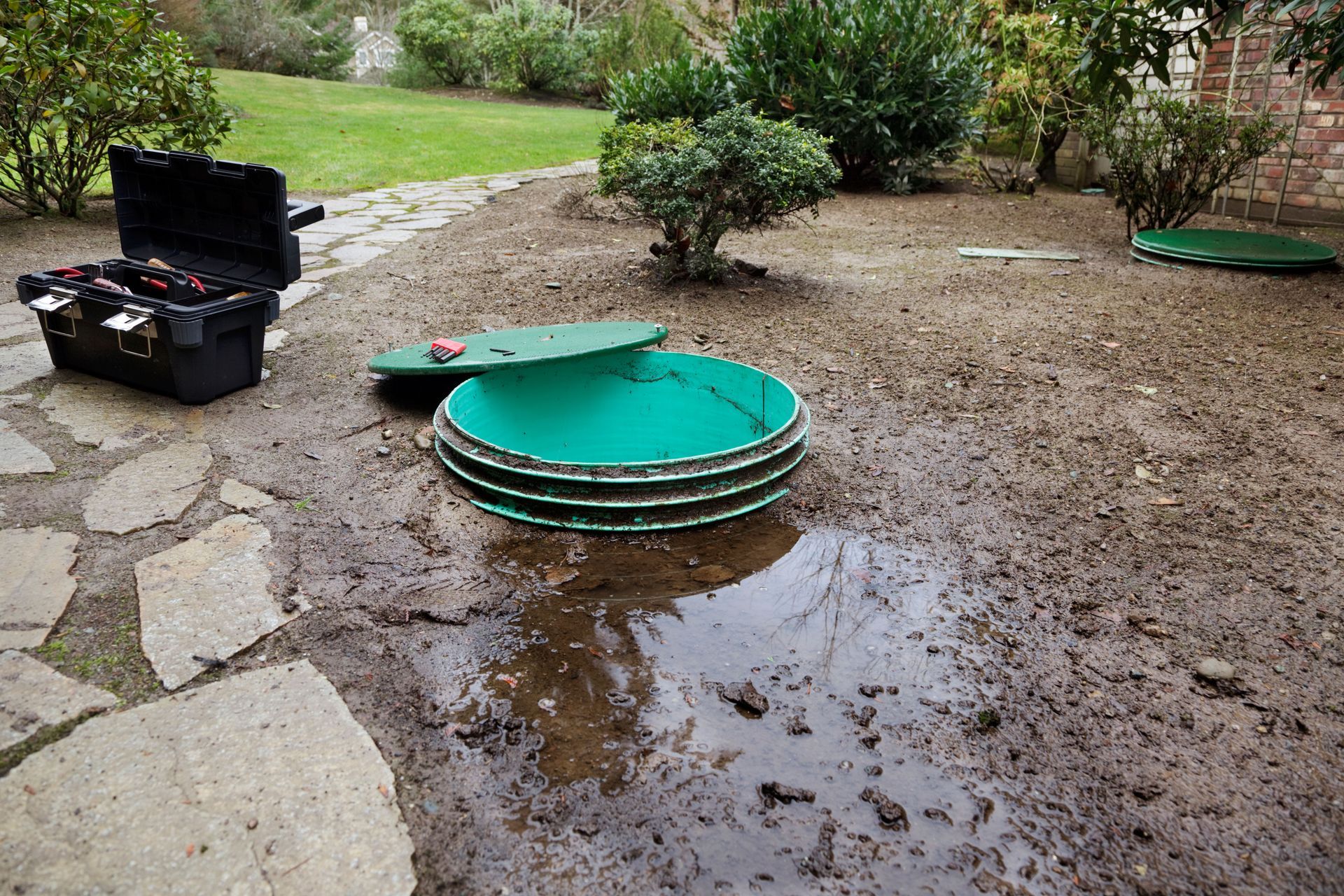
Another critical sign is changes in the landscape over the drainage field. Pooling water or areas of lush greenery, especially after dry weather, can indicate leakage from the septic tank. Homeowners should regularly inspect these areas for changes and intervene if something appears amiss. Additionally, increasing your household's water usage without considering the tank's capacity might strain the system. Routine observations and understanding these signs can prevent septic tank repairs or replacements in the long run.
Sound is another less noticeable sign that can hint at septic issues. You might hear gurgling noises from your pipes, suggesting inefficient drainage or blockage within the system. Ignoring these auditory cues can lead to a full-blown system failure. Regular inspection and immediate investigation of any unusual signs can save more extensive and costly septic tank repairs. Vigilance and quick responses can greatly improve the longevity of your septic system.
Environmental Impact of Septic Systems
Failed septic systems can harm the environment in various ways. Untreated wastewater poses a significant threat to local water systems by introducing harmful bacteria and chemicals. This contamination can affect drinking water supplies, aquatic life, and larger ecosystems. Hence, the environmental impact needs to be a critical consideration when evaluating septic system repair or replacement. Maintaining a healthy septic system protects the environment and aligns with sustainable development goals.
The potential for water pollution from septic system failure is a major cause for concern. If untreated sewage reaches local water bodies, it can lead to the eutrophication of rivers, lakes, and coastal areas. This nutrient enrichment promotes excessive algae growth, reducing oxygen levels and harming aquatic species. Effective treatment and timely intervention can mitigate these impacts. Regular maintenance and proper design keep the environment safe from these deleterious effects.
Septic tank repair can also contribute to soil contamination. If effluent leaks into the surrounding ground, it can introduce toxins that degrade soil quality and affect plant growth. These hazards make it imperative for homeowners to address any signs of malfunction promptly. Ensuring your system is functioning correctly helps preserve the quality of soil and thus supports local agricultural practices. A well-maintained septic system serves as a safeguard for the broader environment and community.
Lifespan of a Typical Septic Tank
According to Housegrail, a septic system typically lasts 25 years or more. However, its actual lifespan depends on factors such as usage, maintenance, material, and the surrounding environment. Over time, even the most well-maintained systems will experience wear and tear, affecting their functionality. The tank material plays a significant role: concrete tanks often last longer than those made from plastic or fiberglass. Homeowners should anticipate replacement and budget accordingly.
Proper maintenance can extend a septic system's lifespan significantly. Regular pumping, inspections, and immediate septic tank repair of minor issues prevent larger, costlier problems in the long run. Understanding how to care for your septic system helps optimize its performance over time. Keep track of usage habits to prevent overloading. By doing so, you'll maximize the system's longevity while maintaining efficiency.
The environment around your property also influences how long your system will last. Factors like soil type, local weather conditions, and ground movement contribute to varying longevity. Climate change may also introduce unforeseen challenges to septic systems, influencing their lifespan and effectiveness. Adapting to these external factors requires foresight and planning. With conscientious maintenance and adaptations, homeowners can help achieve or surpass the typical 25-year lifespan.
Importance of Regular Maintenance
Maintaining your septic system regularly is crucial for its long-term health. Not only does it prevent costly septic tank repairs, but regular upkeep also ensures that the system operates efficiently. Regular pumping is one key component of maintenance, often recommended every three to five years depending on household size and usage. Pumping prevents solids from spilling into the drainage field, protecting the system's integrity. Ignoring this critical maintenance step can lead to blockages and damage to the system.
Inspections are another essential aspect of septic system care. Professional assessments help identify problems early, thus avoiding larger issues later on. Hiring reputable professionals for inspections and maintenance offers peace of mind and ensures compliance with environmental standards. These practices mitigate risks and help maintain a hygienic and safe home environment. When necessary, timely interventions, such as fixing minor leaks, optimize system functionality and prevent future failures.
Deciding whether to repair or replace your septic system depends on a careful assessment of its condition, age, and your household's needs. Being informed and vigilant allows you to make the best decision for your home’s long-term functionality and safety.
If you notice any signs of needing a septic tank repair or it’s time for routine maintenance, don’t wait—contact B.J. Sewer & Septic today. Expert evaluation and timely intervention can save you money, protect your family’s health, and ensure your septic system continues to perform reliably for years to come.

Share On: